

TL;DR
Monolaurin neutralizes the herpes simplex virus by directly attacking its outer protective layer, known as the lipid envelope. By dissolving this fatty coating, monolaurin physically disintegrates the virus particle. This structural breakdown eliminates the virus’s ability to bind to human host cells, effectively halting its capacity to replicate and spread.
Key Takeaways
- Monolaurin disrupts the herpes simplex virus by dissolving its protective lipid envelope, leading to the complete physical disintegration of the viral particle.
- Without an intact outer envelope, the virus loses its ability to attach to human host cells and complete its viral replication cycle.
- Clinical research indicates that monolaurin acts rapidly upon contact to reduce the infectivity of enveloped viruses by preventing cellular penetration.
- Monolaurin and L-lysine are often used together as immune-supportive options, though they are not medical cures or replacements for prescription treatments.
Living with the herpes simplex virus (HSV) often prompts a search for ways to support the immune system and manage outbreaks. While there is no cure for HSV, understanding the science behind immune-supportive supplements can help remove the stigma and confusion surrounding viral management. One compound frequently discussed in both scientific literature and community forums is monolaurin, a monoglyceride derived from lauric acid, which is naturally found in coconut oil.
To understand how monolaurin interacts with HSV, it helps to first understand the physical structure of the virus itself. The herpes simplex virus relies on a highly specific biological architecture to survive and spread within the body. When we look at the mechanics of viral transmission, the focus shifts away from judgment and toward straightforward microbiology. By examining how monolaurin targets the vulnerabilities of HSV, we can better understand its role as a potential supportive measure.
Understanding the Viral Lipid Envelope
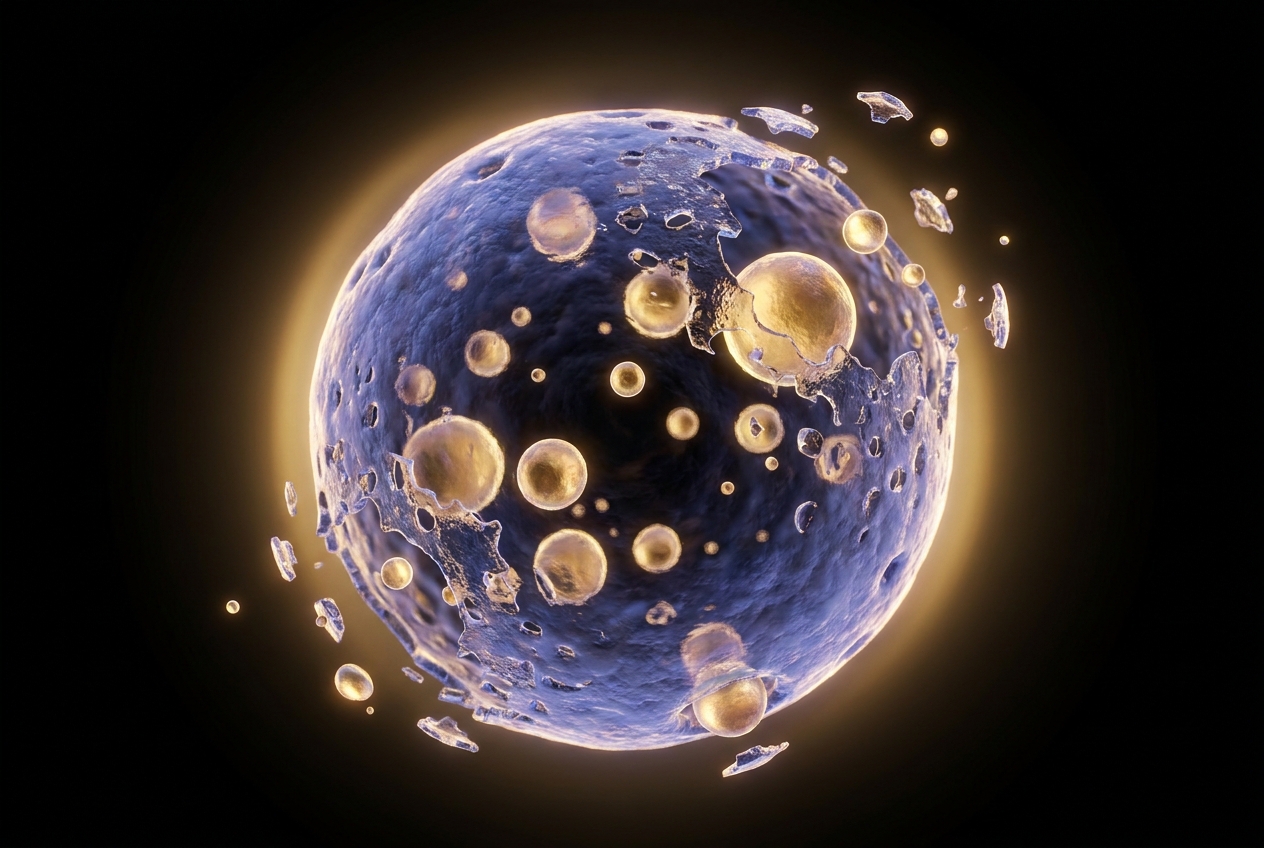
The herpes simplex virus is classified as an “enveloped virus.” This means its genetic core is protected by an outer shell called a lipid envelope, which is composed primarily of fats and proteins. This fatty membrane is crucial for the virus’s survival. It acts as a specialized camouflage and delivery system, allowing the virus to travel safely through the body, dock onto human host cells, and inject its genetic material to begin multiplying.
If this lipid envelope is compromised, the virus is essentially disarmed. It can no longer attach to human cells, rendering it structurally unstable and incapable of causing an active infection.
How Does Monolaurin Neutralize HSV?
Dissolving the Outer Membrane
Monolaurin functions by directly exploiting the fatty composition of the HSV envelope. Because monolaurin is a lipid (fat) itself, it is highly lipophilic—it is naturally drawn to other fats. When monolaurin comes into contact with the virus, it inserts itself directly into the viral lipid envelope. A study published in Antimicrobial Agents and Chemotherapy found that medium-chain monoglycerides exhibit potent antiviral activity by interacting directly with this membrane, causing structural leakage and resulting in the complete physical disintegration of the viral particle (Thormar et al., 1987).
Blocking Viral Replication
Once the lipid envelope is dissolved, the virus physically falls apart. This disintegration immediately halts the viral replication cycle. Research published in the Journal of Food Safety confirms that monolaurin acts as a powerful virucidal agent that reduces the infectivity of enveloped viruses by greater than 99.9%. By destroying the envelope, it eliminates the virus’s ability to bind to and penetrate host cells, completely preventing replication (Hierholzer & Kabara, 1982). Furthermore, evidence suggests that lauric acid and medium-chain monoglycerides can cause a massive reduction in active HSV-1 titers within just one minute of exposure, neutralizing infectious particles rapidly upon contact (Thormar et al., 1999).

What Factors Affect Immune Support for HSV?
Managing HSV is a holistic process, and several factors influence how the body responds to viral activity and immune-supportive compounds.
- Synergistic Nutrient Pairing: Monolaurin is frequently paired with L-lysine, an essential amino acid. While monolaurin targets the physical structure of the virus, L-lysine is believed to interfere with the virus’s access to arginine, an amino acid required for viral replication. Together, they form an immune-supportive framework, though neither functions as a cure.
- Overall Immune System Health: The efficacy of any supportive measure depends heavily on baseline immune function. Chronic stress, lack of sleep, and nutritional deficiencies can suppress the immune system, making it easier for the virus to reactivate from its dormant state in the nervous system.
- Timing of Intervention: Intervening during the “prodrome” phase—the early tingling or itching sensation that precedes an outbreak—is critical. Immune-supportive interventions are generally more effective when the virus is just beginning its replication cycle rather than at the peak of an outbreak.

Related reading: How Can You Build a Daily Immune-Support Routine to Manage HSV Naturally?, Do Natural Supplements Help Manage Herpes? and How Does Stress Trigger Herpes Outbreaks?.
Frequently Asked Questions
Does monolaurin cure herpes?
No, monolaurin does not cure herpes. The herpes simplex virus establishes a permanent, dormant presence within the nerve ganglia. Monolaurin targets active, free-floating viral particles by destroying their lipid envelope, but it cannot eradicate the latent virus hiding within the nervous system.
Should monolaurin be taken with L-lysine?
Many people use monolaurin and L-lysine together as part of a daily immune-supportive regimen. Monolaurin focuses on degrading the viral lipid envelope, while L-lysine limits the availability of arginine, an amino acid the virus needs to replicate. This combination is generally considered a neutral, optional context for immune support.
How long does it take for monolaurin to work?
In laboratory settings, monolaurin acts as a rapid contact virucidal agent, showing significant reductions in active viral titers within minutes. However, in the human body, absorption and distribution take time. It is typically utilized as a consistent daily supplement rather than an immediate, fast-acting pharmaceutical remedy.
Is monolaurin a replacement for antiviral medication?
Monolaurin is an immune-supportive supplement, not a replacement for FDA-approved prescription antiviral medications (such as acyclovir or valacyclovir). Anyone seeking treatment for HSV should consult with a healthcare professional to discuss evidence-based medical interventions alongside supportive nutritional strategies.

Summary
Monolaurin interacts with the herpes simplex virus through a specific, physically destructive mechanism. By embedding itself into the viral lipid envelope, monolaurin dissolves the protective fatty layer that the virus relies upon to survive and spread. This structural disintegration strips the virus of its ability to attach to human host cells, safely stopping the viral replication cycle before an infection can propagate.
Approaching HSV management through a calm, science-first lens helps dismantle the stigma surrounding the virus. While monolaurin—often paired with L-lysine—provides a biologically sound mechanism for immune support, it is part of a broader strategy of nutritional and physical well-being. Understanding the microscopic vulnerabilities of the virus empowers individuals to make educated, neutral decisions about their health.
References
- Thormar H, Isaacs CE, Brown HR, Barcamakian BK, Shirk T. (1987). Inactivation of enveloped viruses and killing of cells by fatty acids and monoglycerides. Antimicrobial Agents and Chemotherapy. https://pubmed.ncbi.nlm.nih.gov/3032090/
- Hierholzer JC, Kabara JJ. (1982). In vitro effects of monolaurin compounds on enveloped RNA and DNA viruses. Journal of Food Safety. https://pubmed.ncbi.nlm.nih.gov/32336838/
- Thormar H, et al. (1999). Development and evaluation of microbicidal hydrogels containing monoglyceride as the active ingredient. Sexually Transmitted Diseases. https://pubmed.ncbi.nlm.nih.gov/10514348/