


TL;DR
Reading a dietary supplement label correctly ensures you choose safe, effective immune support rather than paying for low-quality fillers. Always check the Supplement Facts panel to verify active ingredient doses, avoid obscure proprietary blends, and ensure you are getting meaningful amounts of supportive options like monolaurin or L-lysine.
Key Takeaways
- Understanding the Supplement Facts panel is essential for verifying that you receive a clinically meaningful dose of active ingredients.
- Proprietary blends often obscure the exact amount of each ingredient, making it difficult to assess a supplement’s true effectiveness.
- Identifying perception fillers helps you avoid products that rely on marketing terminology rather than science-backed formulations.
- Choosing transparent supplements for herpes support, like high-quality monolaurin and L-lysine, empowers you to proactively manage your immune resilience.
Why Supplement Transparency Matters
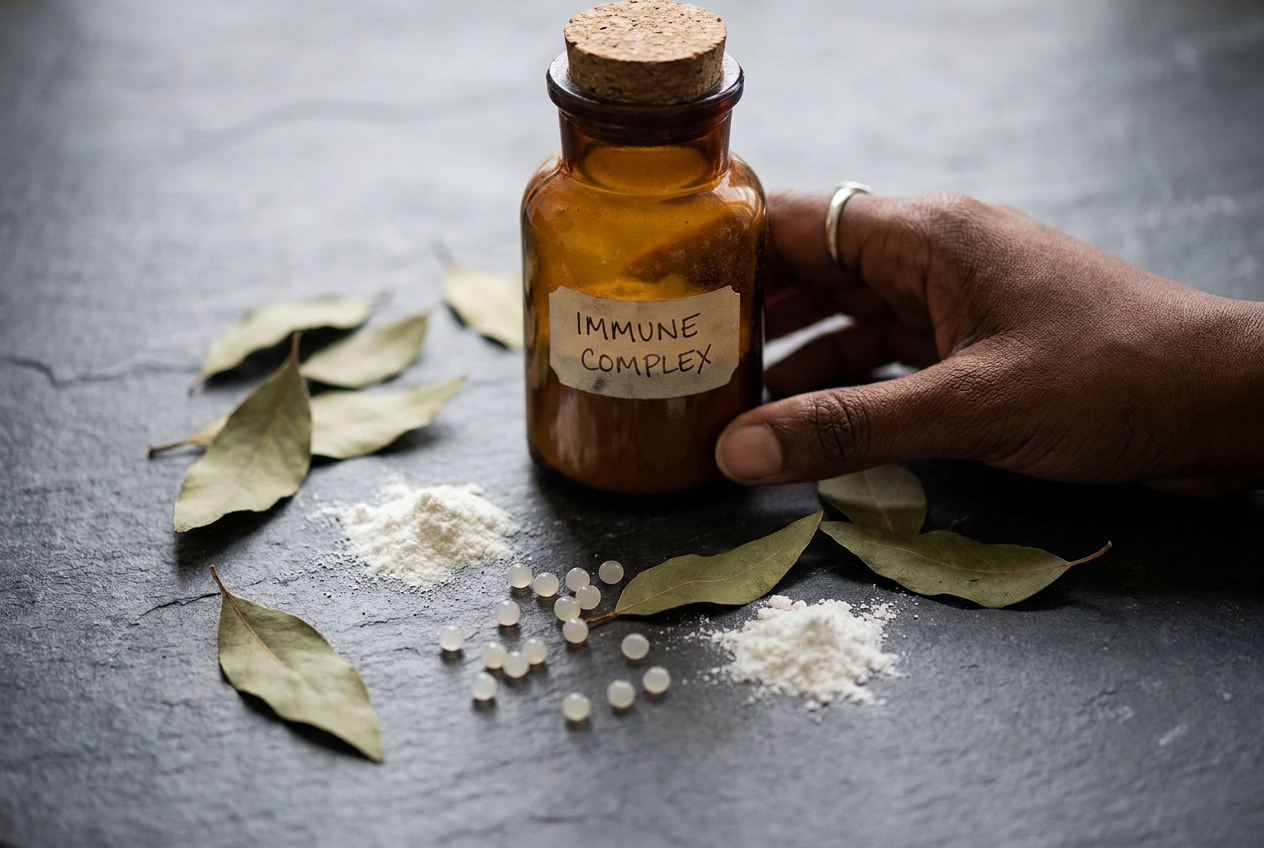
When you are newly diagnosed with the herpes simplex virus or are simply trying to manage frequent outbreaks, it is completely natural to seek out ways to support your immune system. Looking into natural antiviral supplements for herpes is a positive, proactive step toward taking control of your health and building resilience. Many people turn to vitamins, amino acids, and botanicals to help their bodies stay balanced.
However, staring at the back of a bottle can quickly become confusing. With so many health claims, long chemical names, and hidden formulas, choosing the right support can feel overwhelming. Not all supplements are created equal, and knowing how to read a label is the first step toward making confident, informed choices that truly support your body without unnecessary additives.
How Does the Supplement Facts Panel Work?
In the United States, dietary supplements are regulated differently than prescription medications. According to a 2025 review in the Journal of Dietary Supplements, the Dietary Supplement Health and Education Act (DSHEA) of 1994 established the FDA’s authority to regulate dietary supplements as a category of food. This mandate established specific labeling requirements, like the Supplement Facts panel, but notably does not require pre-market safety or efficacy testing. This means the responsibility of evaluating a product’s true quality largely falls on the consumer.
The Supplement Facts panel is divided into two distinct sections: active ingredients and inactive ingredients. Active ingredients are the compounds intended to provide a nutritional or physiological benefit—such as L-lysine or monolaurin. The panel must legally state the serving size, the amount of the active ingredient per serving, and the percent daily value (%DV) if applicable. Inactive ingredients, commonly known as excipients, are listed separately at the bottom of the label. These include capsule materials, flow agents, and natural flavorings.
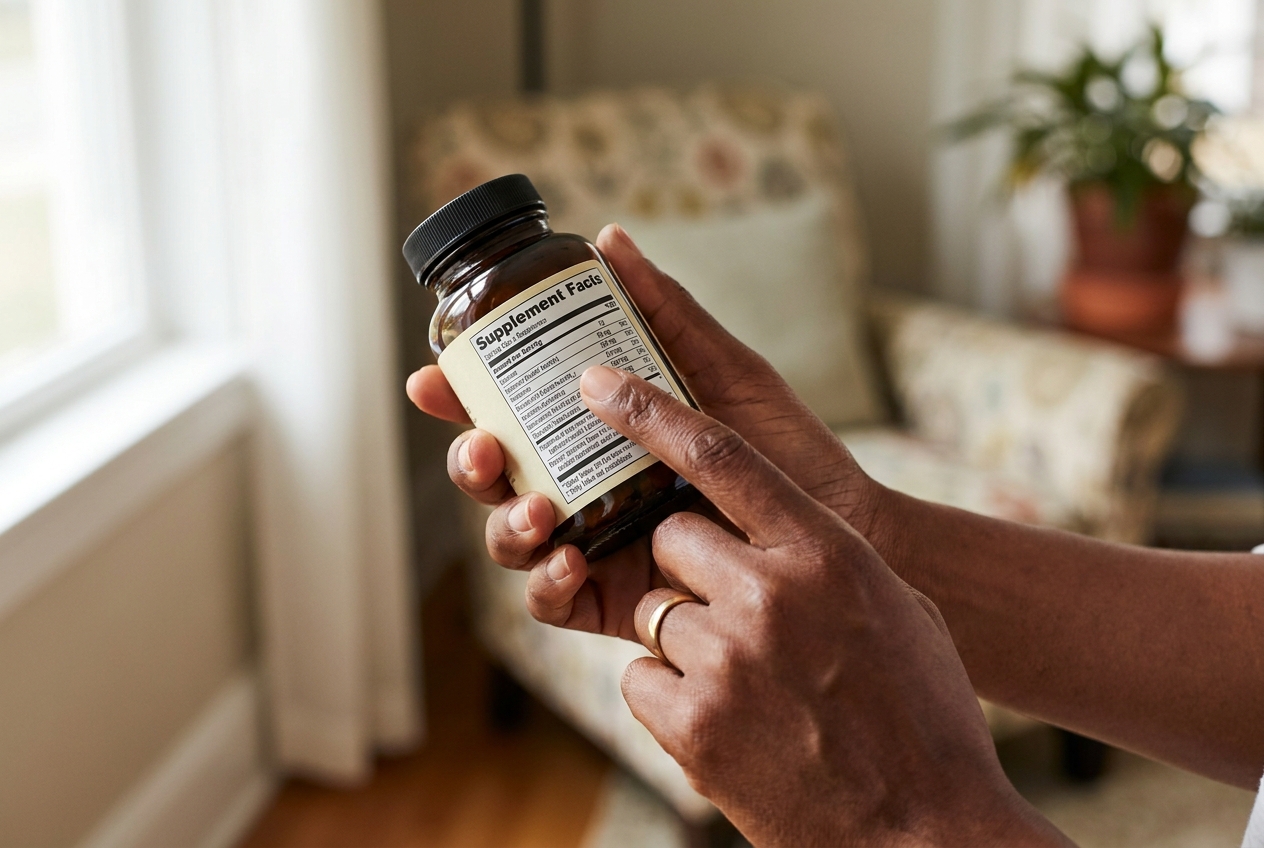
For individuals focusing on immune support, verifying the active dose is critical. For example, understanding how monolaurin works against the herpes virus relies on its biological mechanism as a structural disruptor that directly merges with the viral lipid envelope to disintegrate infectious particles. If a label reveals that the active dose of monolaurin is too low, the supplement will not effectively dismantle the protective envelope of viruses.
What Factors Affect Supplement Quality and Absorption?
Even when an ingredient sounds promising on the front of a bottle, the back of the label dictates how well your body will actually utilize it. Several key factors influence the true value of a supplement.
- Proprietary Blends: Under current DSHEA guidelines, manufacturers can group nonnutrient dietary ingredients under a “proprietary blend” to protect their unique formulas. A 2023 analysis in the Journal of Nutrition noted that manufacturers only have to disclose the total weight of the blend, effectively obscuring the individual amounts of each ingredient. This makes it impossible to determine if a specific component is present in an efficacious, bioavailable dose, leaving consumers guessing about what they are actually taking.
- Perception Fillers: Supplement labels legally differentiate active ingredients from inactive excipients; however, some manufacturers employ “perception fillers.” Research published in Trends in Food Science & Technology indicates that these are low quantities of raw botanical powders listed as active ingredients that contribute strictly to the product’s marketing narrative, rather than providing any substantive nutritional dose. Spotting these helps you avoid “fairy dusted” products.
- Complementary Ingredient Action: High-quality labels often feature ingredients that work synergistically. For instance, evaluating how you can support your body during stressful periods reveals that stress-induced high cortisol paralyzes immune defenses, prompting herpes simplex reactivation. A transparent label might include L-lysine to starve the virus of arginine, working complementarily alongside monolaurin, which physically degrades the virus’s lipid envelope.

Frequently Asked Questions
Can proprietary blends hide low-quality ingredients?
Yes. Because a proprietary blend only lists the total weight of all combined ingredients, a manufacturer can use a large amount of a cheap, ineffective filler ingredient while including only a microscopic amount of the expensive, highly sought-after active ingredient. Always look for labels that explicitly state the exact milligram dosage of every single active component.
Are inactive ingredients always bad?
No, inactive ingredients are not inherently harmful. Many excipients are entirely necessary to ensure the supplement is manufactured correctly, maintains a stable shelf life, and can be absorbed by the body. Standard capsule materials (like gelatin or vegetable cellulose) and natural flow agents (like organic rice hulls) are standard and safe.
How do I verify the dosage of active ingredients?
To verify the dosage, look directly at the Supplement Facts panel under the “Amount Per Serving” column. Compare this number against the suggested “Serving Size” at the top of the panel to understand how many capsules or scoops you must take to achieve that specific dose.

What are perception fillers on a dietary label?
Perception fillers are trace amounts of ingredients added to a supplement simply so the manufacturer can boast about them on the front of the bottle. Because the dose is so small, it offers no actual health benefit, serving only as a marketing tool to make the product appear more comprehensive or premium than it actually is.
Making Empowered Immune Support Choices
Navigating the world of dietary supplements does not have to be an anxiety-inducing experience. By taking a calm, methodical approach to reading the Supplement Facts panel, you can filter out marketing hype and focus on verifiable science. Avoiding proprietary blends and perception fillers ensures that your investment in your health is actually paying off.
Whether you are looking for the best vitamins for herpes or exploring the monolaurin benefits for the immune system, prioritizing transparency empowers you. When you know exactly what is going into your body, you can confidently build a daily routine that gently and effectively supports your immune resilience. For those looking for rigorously transparent options, you can shop for monolaurin and explore clean formulations designed with your immune health in mind.
Continue Exploring
- How Can You Support Your Body During Stressful Periods?
- How Does Monolaurin Work Against the Herpes Virus?
References
- Schutz et al. (2025). DSHEA 1994 – Celebrating 30 Years of Dietary Supplement Regulation in the United States. Journal of Dietary Supplements. https://doi.org/10.1080/19390211.2024.2419434
- Author(s) unlisted. (2026). The Perception Filler: A Proposed Conceptual Framework for Ingredient-Interpretation Gaps in Food Supplements. Trends in Food Science & Technology (Assumed). https://doi.org/10.1016/j.tjnut.2026.101803
- Author(s) unlisted. (2023). Perspectives on the Use of Proprietary Blends in Dietary Supplements. Journal of Nutrition (Assumed). https://doi.org/10.1016/j.tjnut.2023.03.035
- How Can You Support Your Body During Stressful Periods?
- How Does Monolaurin Work Against the Herpes Virus?