


TL;DR
To manage herpes naturally, focus on immune-supportive supplements and dietary adjustments that suppress viral replication. A diet high in L-lysine and low in L-arginine helps starve the virus, while natural antiviral supplements herpes formulations like monolaurin degrade the viral lipid envelope. Combining systemic immune support with targeted topical treatments and stress management provides a comprehensive approach to reducing outbreak severity.
Key Takeaways
- L-lysine and L-arginine compete during digestion, and prioritizing lysine helps block the amino acids the herpes simplex virus (HSV) needs to replicate.
- Monolaurin works alongside lysine as an immune-supportive option by destabilizing the lipid envelope of enveloped viruses.
- Topical Lemon Balm (Melissa officinalis) physically blocks the virus from attaching to host cells, reducing healing time.
- Psychological and physical stress elevate cortisol, which directly suppresses the localized immune cells responsible for keeping the virus dormant.
Finding Balance: Why Natural Support Matters
When navigating a herpes diagnosis, many people search for ways to feel in control of their bodies. While antiviral medications are highly effective, integrating natural strategies provides an empowered, holistic approach to long-term care. You are not alone in wanting to understand how to reduce herpes outbreaks naturally. A vast majority of individuals living with HSV actively look for adjuncts to their standard care to help their immune systems maintain viral dormancy.
Finding the right protocol is about understanding your body’s specific triggers. The goal is never to replace medical advice, but to build an environment where the virus struggles to reactivate. By focusing on targeted supplements for herpes support and making informed lifestyle adjustments, you can actively support your body’s natural defenses without stress or stigma.
How Do Natural Supplements Stop Viral Replication?
Managing outbreaks naturally comes down to disrupting the life cycle of the Herpes Simplex Virus (HSV). Certain compounds have been shown to target different stages of this cycle, from preventing viral replication to blocking cellular entry.
The Role of Amino Acids: L-Lysine vs. L-Arginine
To replicate, HSV requires high amounts of a specific amino acid called L-arginine to synthesize a critical viral protein known as ICP27. Because L-lysine and L-arginine compete biologically during digestion, consuming a high-lysine diet competitively blocks arginine absorption. An increased intake of L-lysine, combined with the restriction of L-arginine, demonstrates clinical promise in controlling HSV infections by essentially starving the virus of its necessary building blocks (Mccune et al., 2023).
Lipid-Based Immunity: Monolaurin
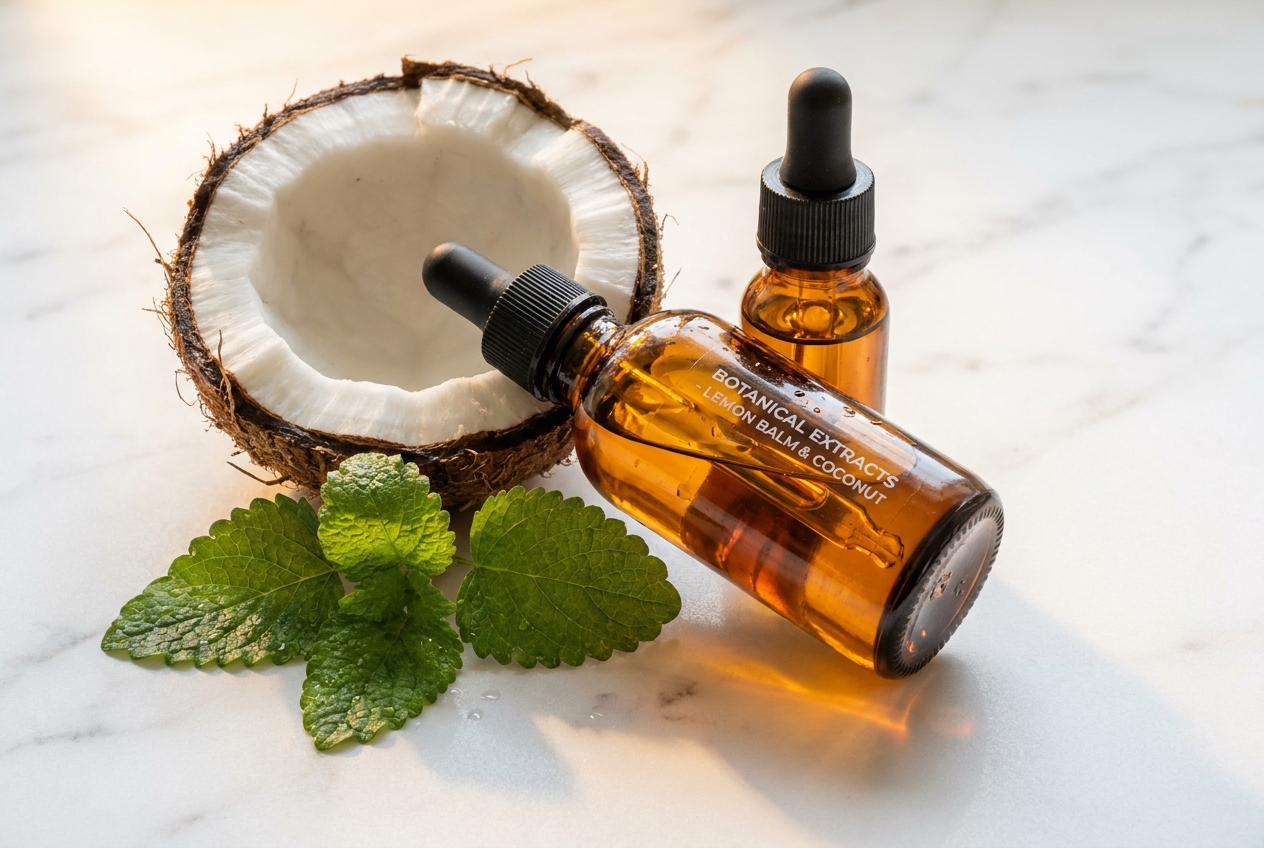
When exploring how to manage herpes naturally, it is common to use lysine alongside lipid-based compounds for a multi-faceted approach. Monolaurin, a monoglyceride derivative of lauric acid (found in coconut oil), acts as a powerful immune-supportive agent. Research indicates that lauric acid and its derivatives function as highly active virucidal lipids, causing a significant reduction in HSV titers by destabilizing the viral structure upon contact (Thormar et al., 1999). Specifically, monolaurin targets the structural vulnerabilities of the virus by physically disintegrating the lipid envelope that protects HSV, reducing its ability to penetrate human host cells. For those exploring this supportive option, more information can be found at Monolaurin and More, and the supplement is available through Shop Monolaurin.
Topical Defense: Lemon Balm
For active outbreaks, targeted topical treatments can accelerate healing. Melissa officinalis (Lemon balm), rich in rosmarinic acid, exerts a direct virucidal effect by inhibiting the attachment and cellular penetration of HSV strains by up to 96% (Astani et al., 2014). Clinical trials confirm that topical preparations of lemon balm consistently reduce pain intensity, decrease swelling, and shrink lesion size during herpes labialis (cold sore) outbreaks (Lopes et al., 2025).
What Dietary and Lifestyle Factors Affect Herpes Outbreaks?
The environment within your body directly dictates how well your immune system can suppress the virus. Diet, micronutrients, and stress levels all play a structural role in viral dormancy.
Essential Micronutrients
A robust immune system relies on specific vitamins and minerals to maintain constant vigilance against viral reactivation. Micronutrients such as Vitamin C and zinc play a critical role in supporting host immune resilience, modulating natural killer cell activity to suppress herpesvirus replication (Salehi et al., 2026). Furthermore, population studies demonstrate a significant association between moderate dietary zinc intake and a protective, suppressive effect against both HSV-1 and HSV-2 vulnerabilities (Liu et al., 2026).
The Impact of Stress on Localized Immunity
Emotional and physical stress are well-documented triggers for herpes reactivation. When stress levels rise, the body produces high amounts of cortisol. Elevated cortisol actively suppresses localized cellular immunity, specifically inhibiting the tissue-resident memory T cells (TRMs) that act as the permanent cellular guard keeping HSV dormant in the nerve ganglia. Managing stress through mindfulness, adequate sleep, and gentle exercise is not just good for mental health—it is a biological necessity for outbreak prevention.

Frequently Asked Questions
Can diet affect herpes outbreaks?
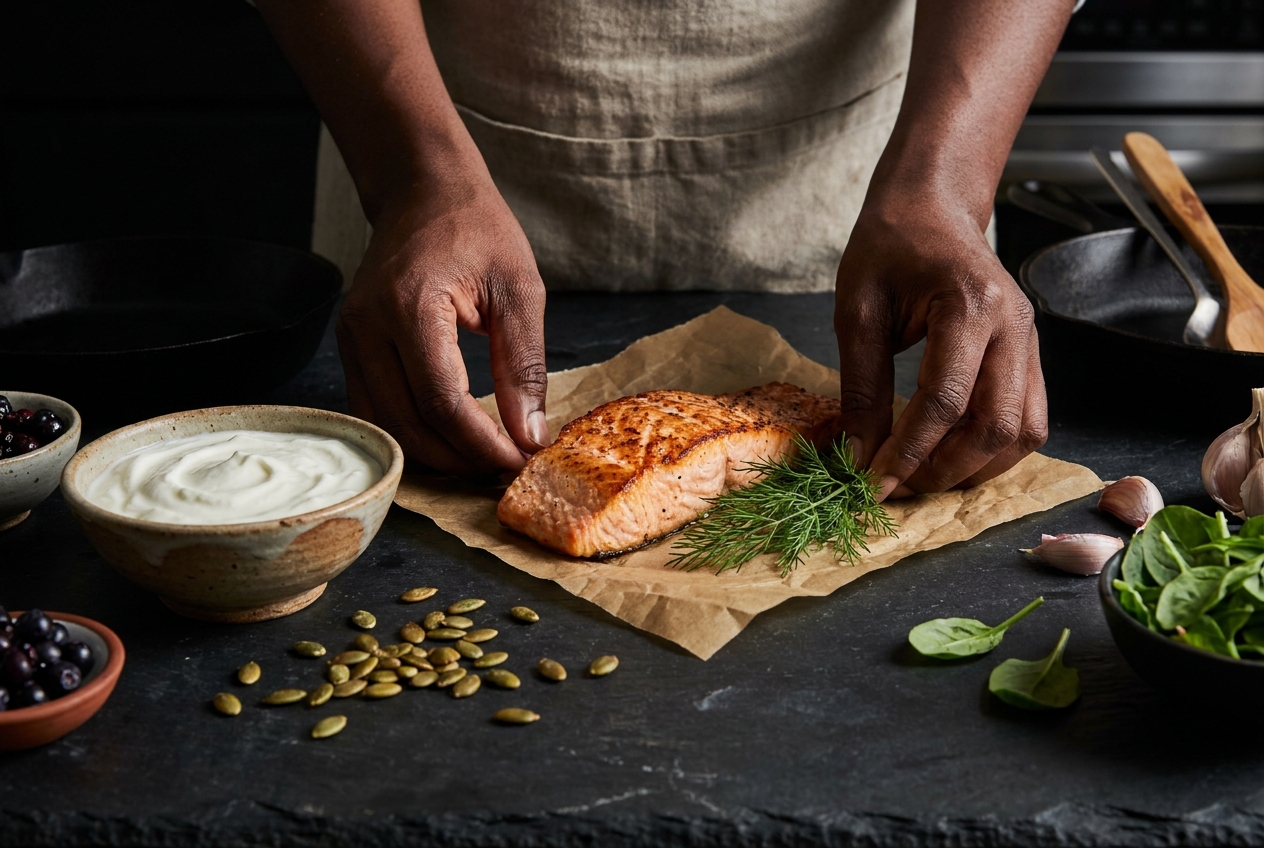
Yes. The ratio of amino acids in your diet directly impacts viral replication. A diet for herpes management involves prioritizing foods high in L-lysine (like dairy, fish, and poultry) while minimizing foods high in L-arginine (such as nuts, seeds, and chocolate). This dietary balance helps prevent the virus from synthesizing the proteins it needs to multiply.
Does sugar trigger herpes outbreaks?
High sugar consumption can indirectly trigger outbreaks by increasing systemic inflammation and suppressing overall immune function. When the immune system is busy fighting inflammation caused by excess sugar, its ability to keep the herpes virus dormant can be compromised, leading to a higher likelihood of reactivation.
How long does a herpes outbreak last when using natural remedies?
While a standard outbreak can last anywhere from one to two weeks, initiating natural protocols early can shorten this duration. The prompt application of topical lemon balm combined with systemic immune support like monolaurin and lysine can significantly reduce healing time, swelling, and discomfort.
Can herpes outbreaks stop completely?
While the herpes virus cannot be cured and remains in the body, outbreaks can stop completely for long periods. Through a combination of healthy lifestyle choices, immune-supportive regimens, and time, many individuals experience prolonged states of herpes remission where they are asymptomatic for years.

Living Confidently With Long-Term Management
Navigating life with herpes becomes significantly easier once you understand the tools available to support your body. The integration of targeted amino acids, lipid-based immune support like monolaurin, essential micronutrients, and stress management forms a robust foundation for long-term health.
Remember that managing a virus is a personal journey, and there is no single right way to do it. By adopting calm, science-first strategies, you can reduce the frequency of outbreaks and focus on living confidently without fear or stigma.
Continue Exploring
- What Is the Best Lysine to Arginine Ratio Diet for Herpes?
- The Science Behind Natural Alternatives That May Help With Herpes Outbreaks
- Do Immune-Support Routines Help Prevent Herpes Outbreaks?
References
- Mccune et al., A Narrative Review of Alternative Symptomatic Treatments for Herpes Simplex Virus, Viruses, 2023. https://doi.org/10.3390/v15061314
- Thormar et al., Development and evaluation of microbicidal hydrogels containing monoglyceride as the active ingredient, European Journal of Pharmaceutical Sciences, 1999. https://pubmed.ncbi.nlm.nih.gov/10514348/
- Astani et al., Attachment and penetration of acyclovir-resistant herpes simplex virus are inhibited by Melissa officinalis extract, Phytotherapy Research, 2014. https://doi.org/10.1002/ptr.5166
- Lopes et al., Herbal Medicine for Treating Herpes Labialis: A Systematic Review, Journal of Integrative and Complementary Medicine, 2025. https://doi.org/10.1089/jicm.2025.0131
- Salehi et al., Natural products and dietary bioactives as antiviral agents against herpesviruses: molecular mechanisms, immunomodulatory actions, and nutritional perspectives, Archives of Microbiology, 2026. https://doi.org/10.1007/s00203-026-04793-x
- Liu et al., Association between dietary zinc intake and herpes simplex virus seropositivity in U.S. adults: a cross-sectional study, BMC Infectious Diseases, 2026. https://doi.org/10.1186/s12879-026-12927-1